Governed decisions from your underwriting knowledge.

Governed decisions from your underwriting knowledge.

Our AI Agent helps MGAs and carriers triage submissions, enforce appetite rules, and make faster underwriting decisions — all from your own guidelines, policies, and systems.

Enterprise-ready security • Auditable decisions • Human-in-the-loop

Underwriting knowledge is scattered

across guidelines, emails, and senior underwriters' heads.

Underwriting knowledge is scattered

across guidelines, emails, and senior underwriters' heads.

Underwriting knowledge is scattered across guidelines, emails, and senior underwriters' heads.

Attri AI Agent acts as a secure underwriting knowledge layer that gives your team instant, consistent answers — powered only by your approved appetite guidelines, underwriting rules, and firm policies.

Attri AI Agent acts as a secure underwriting knowledge layer that gives your team instant, consistent answers — powered only by your approved appetite guidelines, underwriting rules, and firm policies.

Attri AI Agent acts as a secure underwriting knowledge layer that gives your team instant, consistent answers — powered only by your approved appetite guidelines, underwriting rules, and firm policies.

Faster submission triage.

Consistent appetite enforcement.

Underwriters focus on deals, not searching.

Scale capacity without adding headcount.

Book a demo to see the difference!!!

See how underwriting teams make faster, more consistent decisions.

Book demo

Every answer cites your source documents.

Works only with your firm's data and guidelines.

Built specifically for regulated insurance operations.

Role-based access for better management and security.
Built to make underwriting knowledge
instantly usable.

Built to make underwriting knowledge
instantly usable.

Built to make firm knowledge instantly usable.

Turn scattered guidelines, appetite rules, and underwriting policies into trusted decisions your team can rely on every day.

Turn scattered documents and policies into trusted answers your teams can rely on every day.

Security first infrastructure

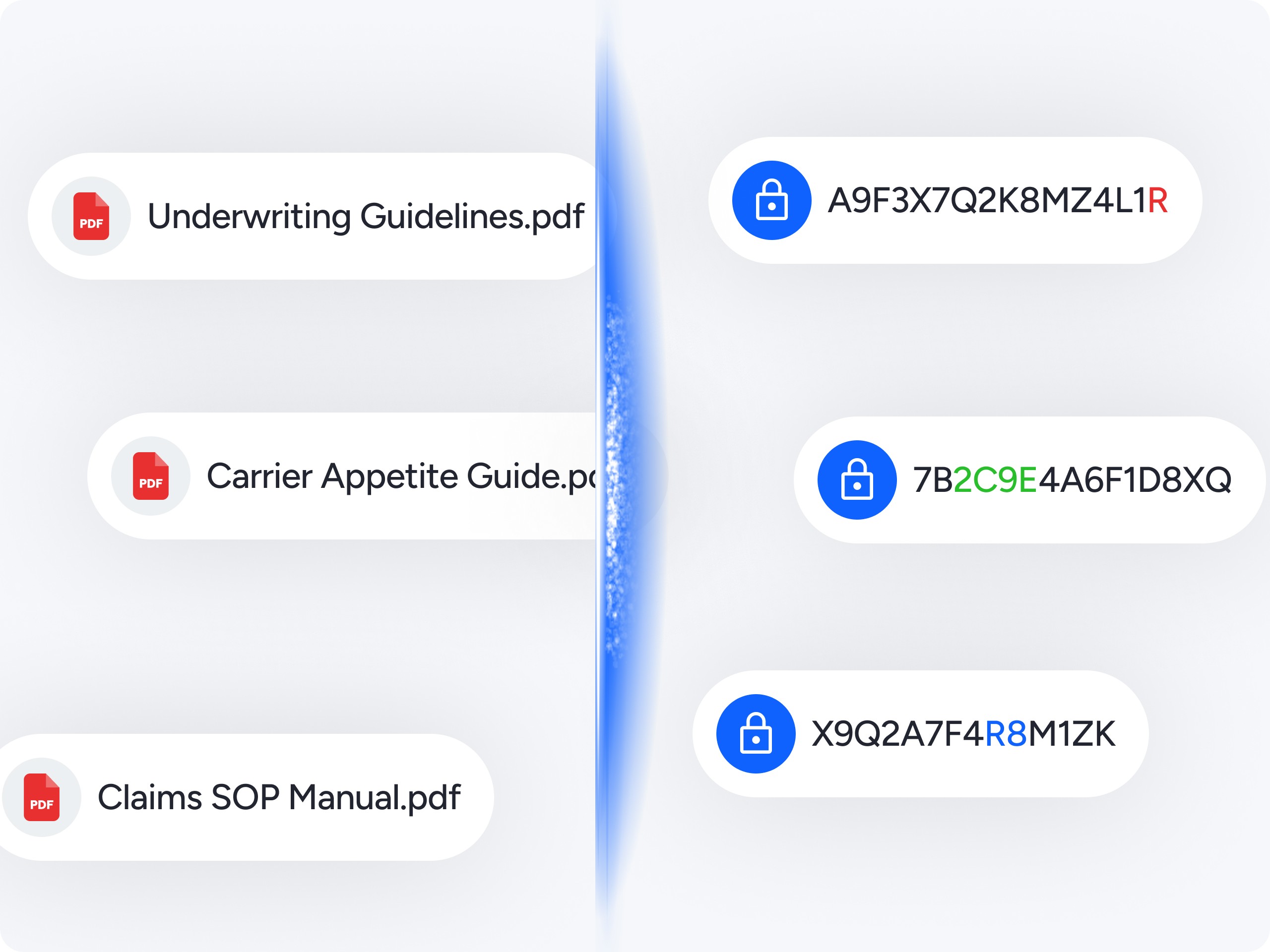
All your underwriting guidelines stored in a secure, private knowledge base with enterprise encryption.

No more manual data entry, referrals are structured in seconds, without any hassle or confusion.

Centralized appetite rules

Bring appetite guidelines, class codes, territory rules, and carrier requirements into one reliable source.
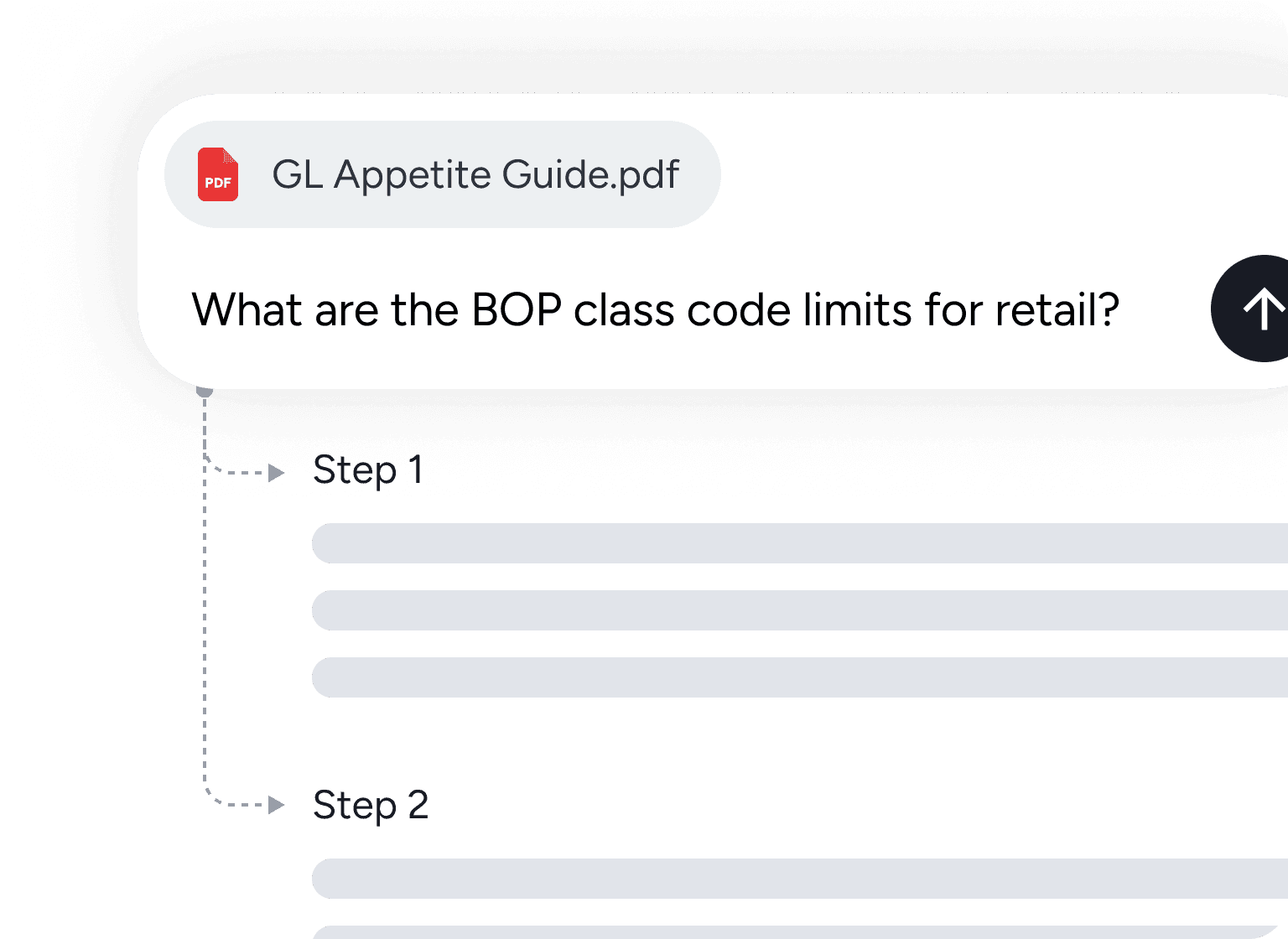
Ask questions in plain language

Ask questions naturally and get clear answers, no training or special prompts required.

Citable, explainable answers
Every answer includes citations to your actual guidelines, so decisions can be verified and trusted.

No more manual data entry, referrals are structured in seconds, without any hassle or confusion.

Role-based access and control

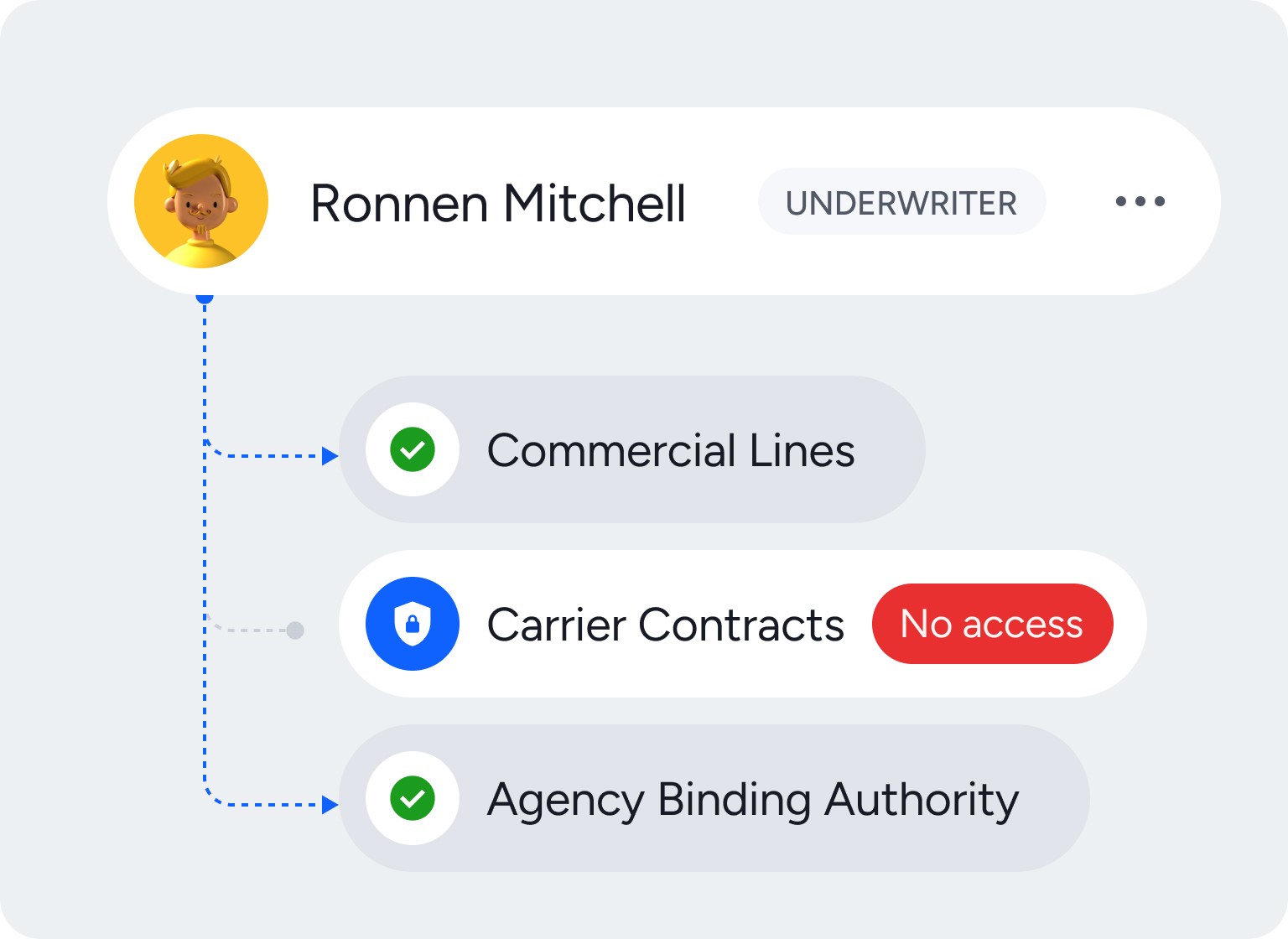
Control who sees what, Junior Underwriters, Senior UWs, and leadership get appropriate access levels.
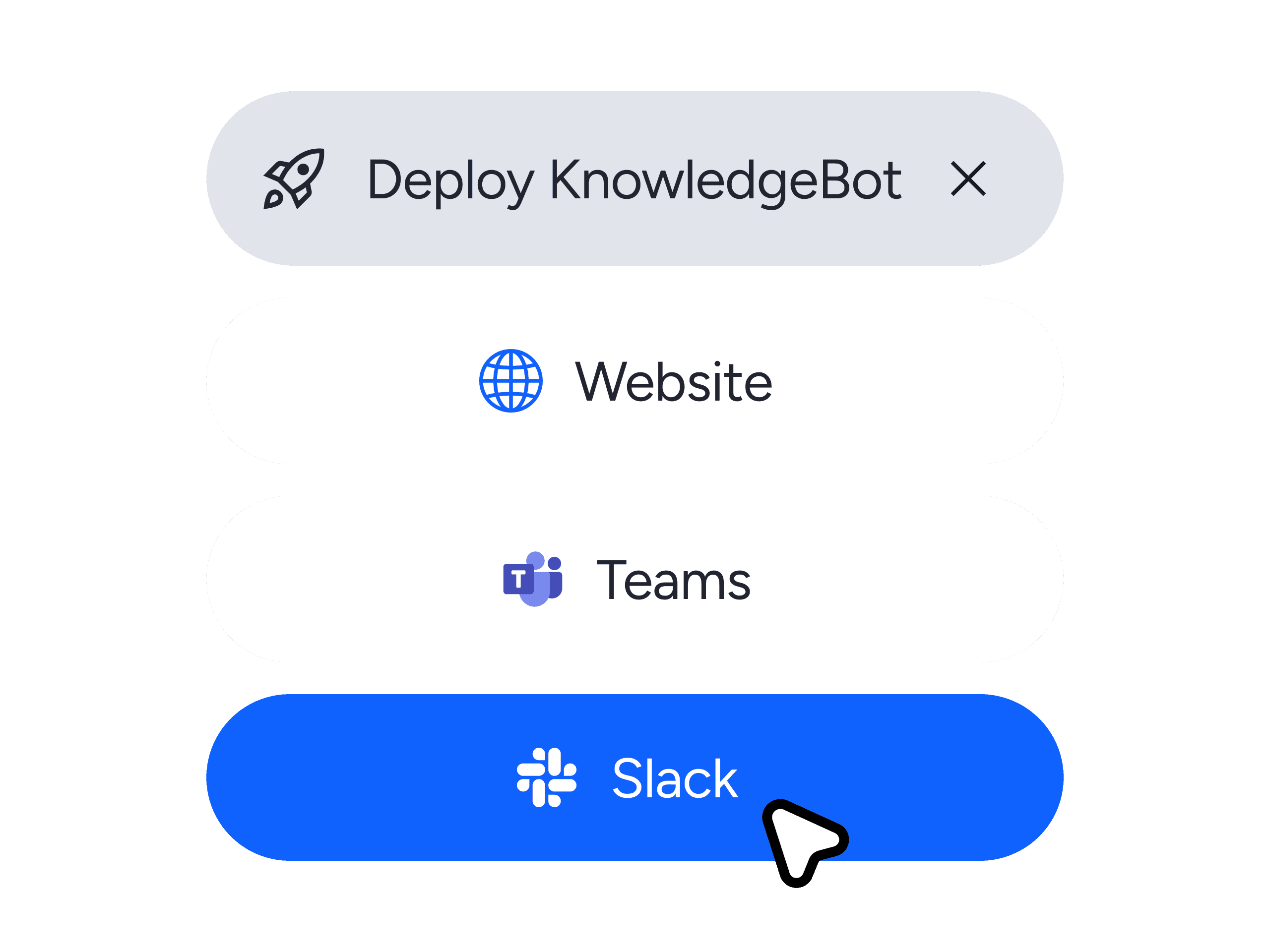
Fast setup with minimal disruption

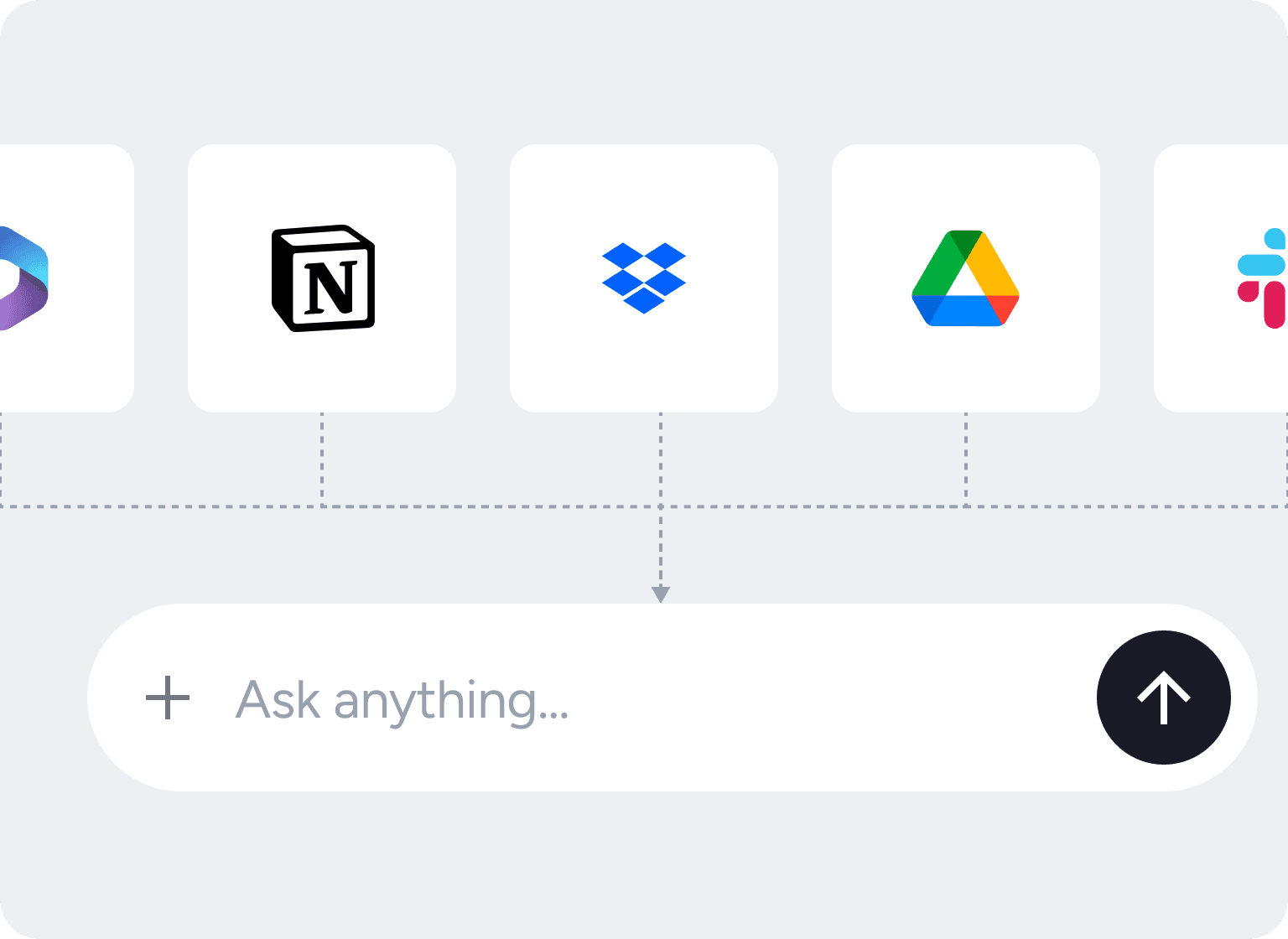
Deploy to your team via Microsoft Teams, Slack, or a dedicated web portal, live in weeks, not months.

Turn scattered knowledge into

instant, trusted decisions

Discover how underwriting teams reduce triage time, improve consistency, and scale decision-making without increasing risk.

Designed for every role in your firm.

Our AI agent delivers value differently depending on how you work, without changing your existing systems.

Owners and Managing Partners

Reduce E&O exposure and operational risk while improving underwriting consistency and scaling capacity across the organization.

Operations & Compliance Teams

Maintain audit readiness with verifiable, documented decisions. Clear data boundaries and controlled access for regulatory confidence.

Underwriters and Submission Teams

Get instant, reliable answers about appetite, class codes, and guidelines. Spend less time searching and more time on deals that matter.
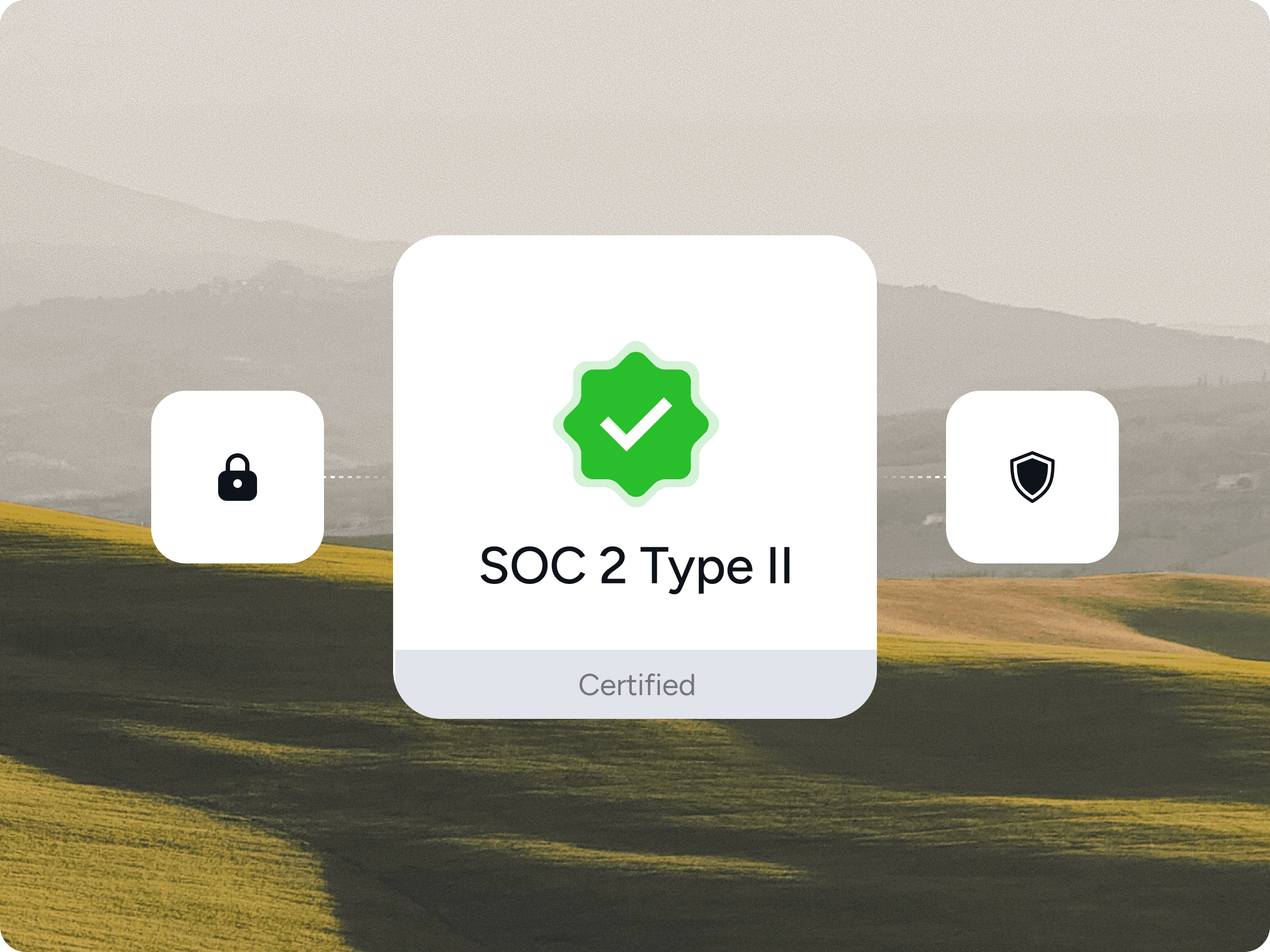
Trusted by MGAs, wholesalers, and carrier underwriting teams.

Trusted by MGAs, wholesalers, and carrier underwriting teams.

Organizations rely on this platform to give their teams faster access to trusted underwriting knowledge while maintaining accuracy, security, and regulatory compliance.

Organizations rely on this platform to give their teams faster access to trusted underwriting knowledge while maintaining accuracy, security, and regulatory compliance.

Organizations rely on this platform to give their teams faster access to trusted underwriting knowledge while maintaining accuracy, security, and regulatory compliance.

SOC 2 Type II compliant architecture

Private cloud isolation

Role-based access controls

No model training on your data

3x

Faster submission triage

70%

Reduction in time spent searching guidelines

100%

Audit trail on every decision

Frequently asked questions.

If you have questions, reach out to us and we will be happy to help you.

If you have questions, reach out to us and we will be happy to help you.

If you have questions, reach out to us and we will be happy to help you.

Is this replacing our underwriters?

Absolutely not. It enforces underwriting discipline — it doesn't make decisions. The underwriter still signs off. What this does is make sure every high-risk submission is reviewed against the same criteria, and that dissent is documented before a bind decision. We're structuring underwriting judgment, not automating it away.

We already have appetite guidelines. Why do we need this?

You already have appetite guidelines — but enforcement depends on human consistency under volume pressure. When 50 submissions hit on Monday morning, does every underwriter apply the same rules the same way? This system doesn't rewrite your appetite. It ensures your appetite rules are actually applied, consistently, and escalated when breached.

What happens if the AI is wrong?

The AI never makes a final decision. It produces a recommendation, a confidence range, and the strongest counterargument. If it's wrong, the dissent exposes it — and the human still approves. Every answer cites its sources, so your team can verify before acting. The system surfaces uncertainty, it doesn't hide it.

How is this different from Cara or Applied AI?

Most AI tools summarize and automate servicing tasks. This is not servicing AI — this is underwriting governance. It forces multi-perspective review, preserves dissent, and enforces escalation rules before a decision is bound. That governance layer doesn't exist in AMS platforms.

Can it improve our loss ratio?

It reduces underwriting drift. Even small consistency improvements can protect 0.25–0.75 points of loss ratio. But the bigger win is reducing large misses caused by rushed review under volume. The value isn't in the average case — it's in catching the one that would have slipped through.


Is this replacing our underwriters?

Absolutely not. It enforces underwriting discipline — it doesn't make decisions. The underwriter still signs off. What this does is make sure every high-risk submission is reviewed against the same criteria, and that dissent is documented before a bind decision. We're structuring underwriting judgment, not automating it away.

We already have appetite guidelines. Why do we need this?

You already have appetite guidelines — but enforcement depends on human consistency under volume pressure. When 50 submissions hit on Monday morning, does every underwriter apply the same rules the same way? This system doesn't rewrite your appetite. It ensures your appetite rules are actually applied, consistently, and escalated when breached.

What happens if the AI is wrong?

The AI never makes a final decision. It produces a recommendation, a confidence range, and the strongest counterargument. If it's wrong, the dissent exposes it — and the human still approves. Every answer cites its sources, so your team can verify before acting. The system surfaces uncertainty, it doesn't hide it.

How is this different from Cara or Applied AI?

Most AI tools summarize and automate servicing tasks. This is not servicing AI — this is underwriting governance. It forces multi-perspective review, preserves dissent, and enforces escalation rules before a decision is bound. That governance layer doesn't exist in AMS platforms.

Can it improve our loss ratio?

It reduces underwriting drift. Even small consistency improvements can protect 0.25–0.75 points of loss ratio. But the bigger win is reducing large misses caused by rushed review under volume. The value isn't in the average case — it's in catching the one that would have slipped through.

Is this replacing our underwriters?

Absolutely not. It enforces underwriting discipline — it doesn't make decisions. The underwriter still signs off. What this does is make sure every high-risk submission is reviewed against the same criteria, and that dissent is documented before a bind decision. We're structuring underwriting judgment, not automating it away.

We already have appetite guidelines. Why do we need this?

You already have appetite guidelines — but enforcement depends on human consistency under volume pressure. When 50 submissions hit on Monday morning, does every underwriter apply the same rules the same way? This system doesn't rewrite your appetite. It ensures your appetite rules are actually applied, consistently, and escalated when breached.

What happens if the AI is wrong?

The AI never makes a final decision. It produces a recommendation, a confidence range, and the strongest counterargument. If it's wrong, the dissent exposes it — and the human still approves. Every answer cites its sources, so your team can verify before acting. The system surfaces uncertainty, it doesn't hide it.

How is this different from Cara or Applied AI?

Most AI tools summarize and automate servicing tasks. This is not servicing AI — this is underwriting governance. It forces multi-perspective review, preserves dissent, and enforces escalation rules before a decision is bound. That governance layer doesn't exist in AMS platforms.

Can it improve our loss ratio?

It reduces underwriting drift. Even small consistency improvements can protect 0.25–0.75 points of loss ratio. But the bigger win is reducing large misses caused by rushed review under volume. The value isn't in the average case — it's in catching the one that would have slipped through.

a herd of sheep grazing on a dry grass field

See how underwriting teams find answers faster.

Book a short walkthrough to see how teams reduce triage time, improve consistency, and maintain full control over underwriting decisions.

Book a short walkthrough to see how teams reduce triage time, improve consistency, and maintain full control over underwriting decisions.

a herd of sheep grazing on a dry grass field

See how firms find answers faster.

Book a short walkthrough to see how teams reduce triage time, improve consistency, and maintain full control over underwriting decisions.